
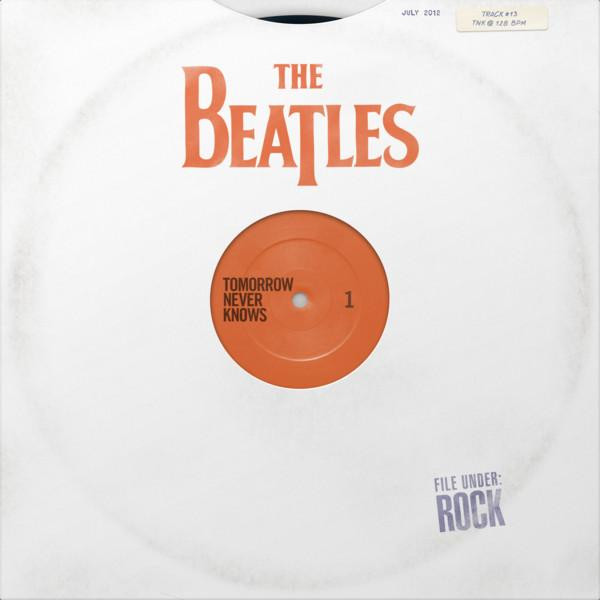
Released: 1966
For many The Beatles’ legacy – one continually being polished by an unending stream of biographers – remains clear, despite the passing of time. Undoubtedly their early career was central to the forging of pop music as a guiding pillar of modern culture; more popular than Jesus, they embodied the rapid societal tilt of an era made for revolutionaries.
Mirroring this, there have been few intra-album accelerations than the one between 1965’s Rubber Soul and it’s successor Revolver. Now concepts which previously felt like experimentation were embraced wholesale, and when John Lennon acquired a copy of Timothy Leary’s The Psychedelic Experience: A Manual Based On The Tibetan Book Of The Dead it formed the spiritual, if not the chemical, basis for a multilayered drone initially titled The Void.
The album’s centrepiece, what was renamed Tomorrow Never Knows by Ringo Starr is not in relative terms the ‘best’ Beatles song, depending on the criteria you want to use. In using samples, tape loops, compression, echo and vocal effects however it acted as an incubator for ideas which eventually pollinated into half a dozen new mediums, most obviously psychedelia but also others such as electronica and hip hop.
This extended heritage – not just what you make, but what people then make out of what you make – is the leverage needed to establish The Beatles definitively as beyond entertainment, instead a more powerful underlying force in twentieth century music. The same thinking obviously though doesn’t apply to Yellow Submarine.

 The Voice Of Unreason
1 Comment
Comments are closed.